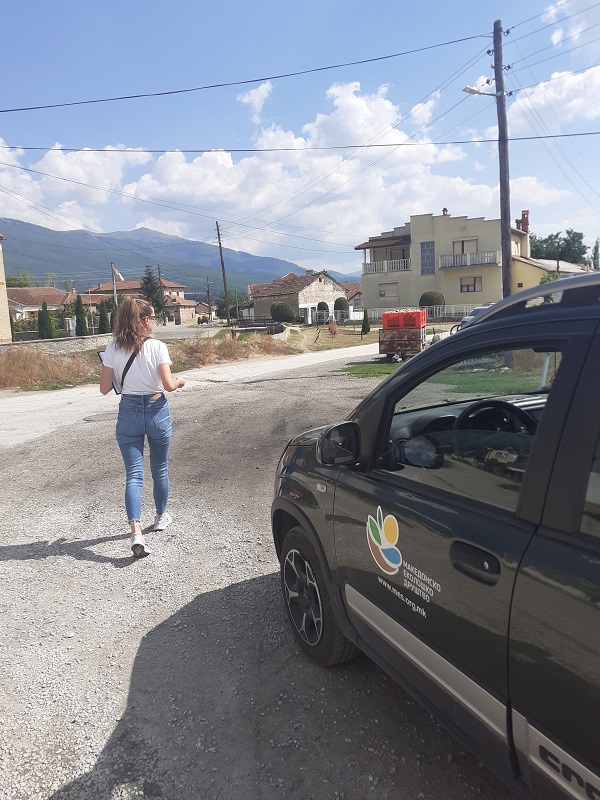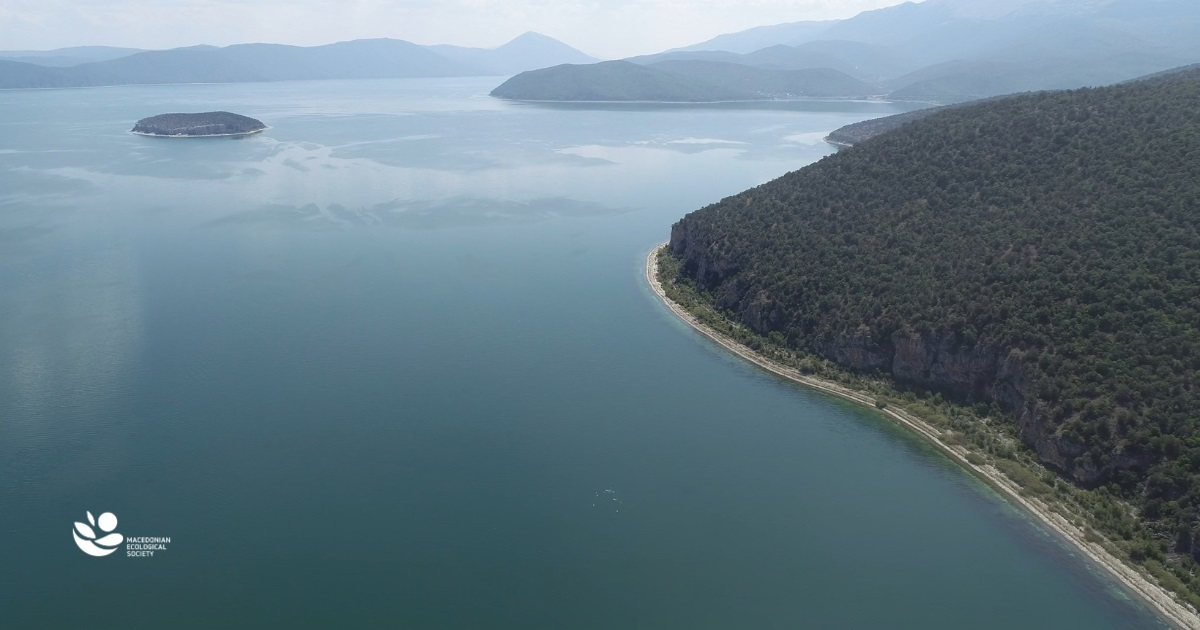
The Prespa Region is a true open-air laboratory, a fact clearly demonstrated by the ongoing biodiversity field research being conducted by the Macedonian Ecological Society in cooperation with local protected areas as part of the project “Prespa: Green & Blue Initiative”, funded by the European Union under the "EU for Prespa" programme.
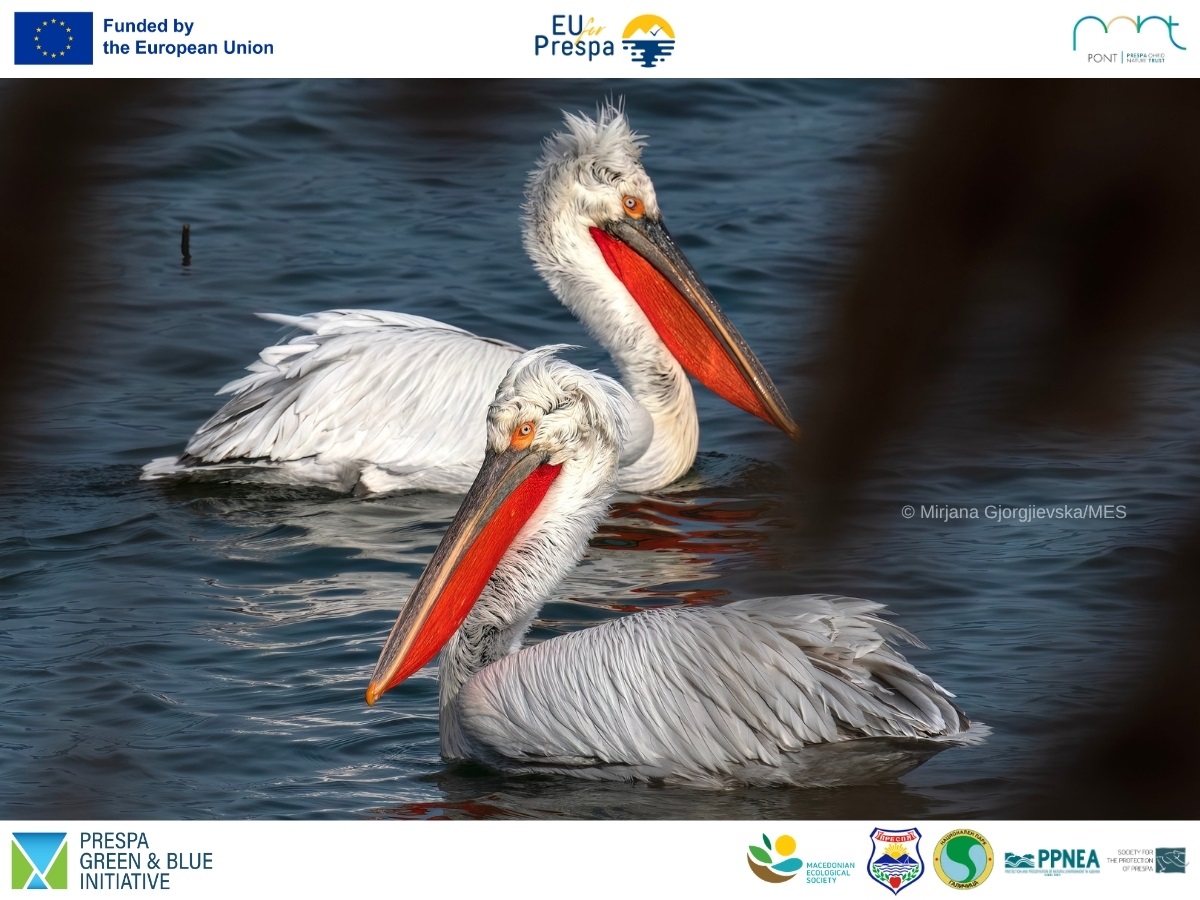
Along the shores of Lake Prespa, monitoring of several bird species has already begun, including the Common Merganser, the Great White Pelican, and, of course, the Dalmatian Pelican - one of the most representative symbols of Prespa. These studies enable continuous monitoring of their populations and the timely identification of potential threats facing wildlife within the lake ecosystem.
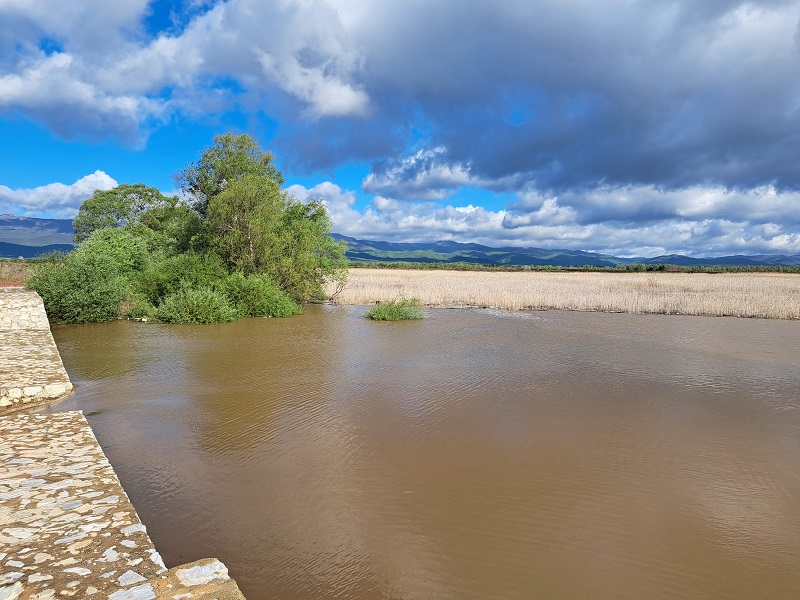
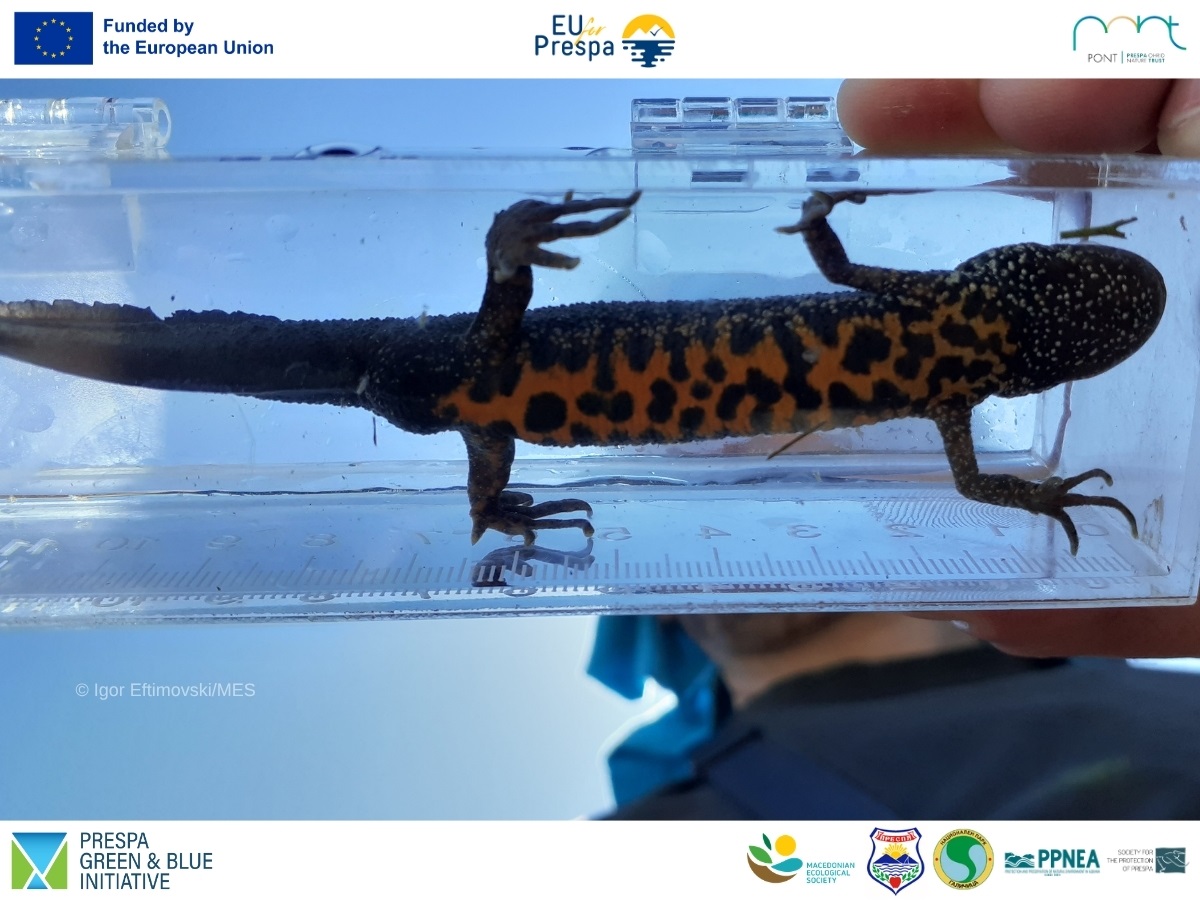
Particular attention is also being devoted to wetland habitats and their inhabitants. The focus of the research includes the Macedonian Crested Newt, the Yellow-bellied Toad, and the European Pond Turtle - key species whose monitoring provides important information on the condition of wetland ecosystems, which are increasingly exposed to pressures from climate change and human activities.
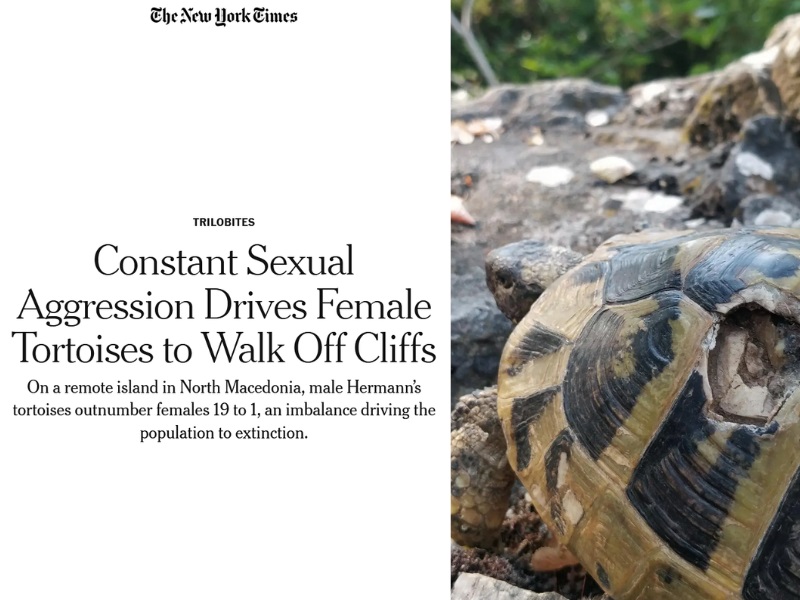
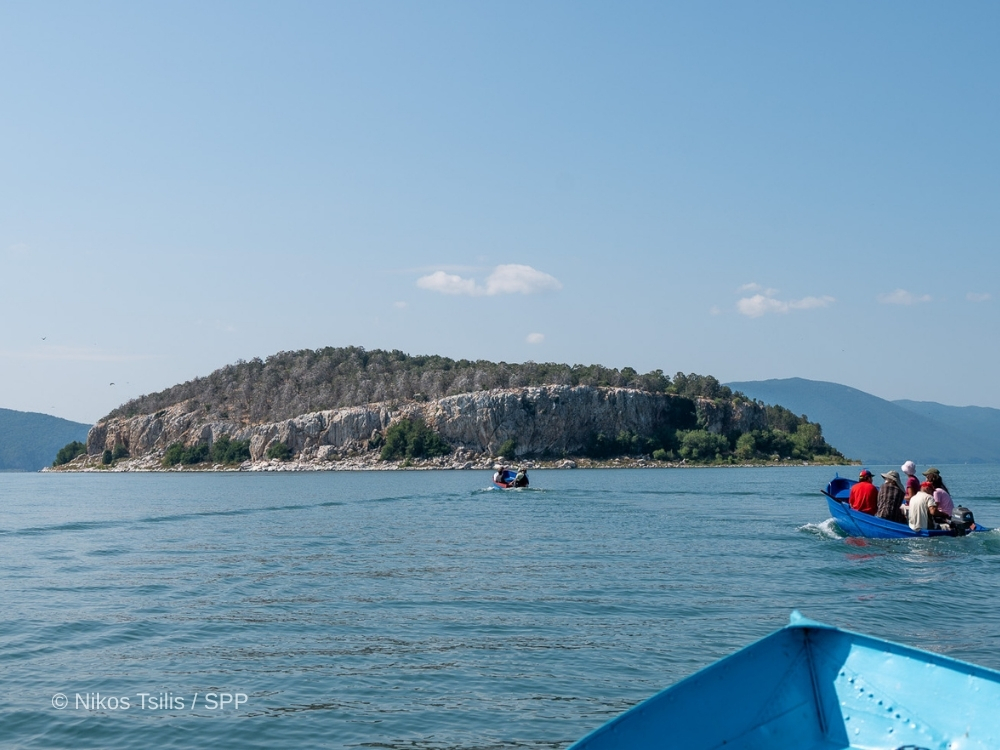
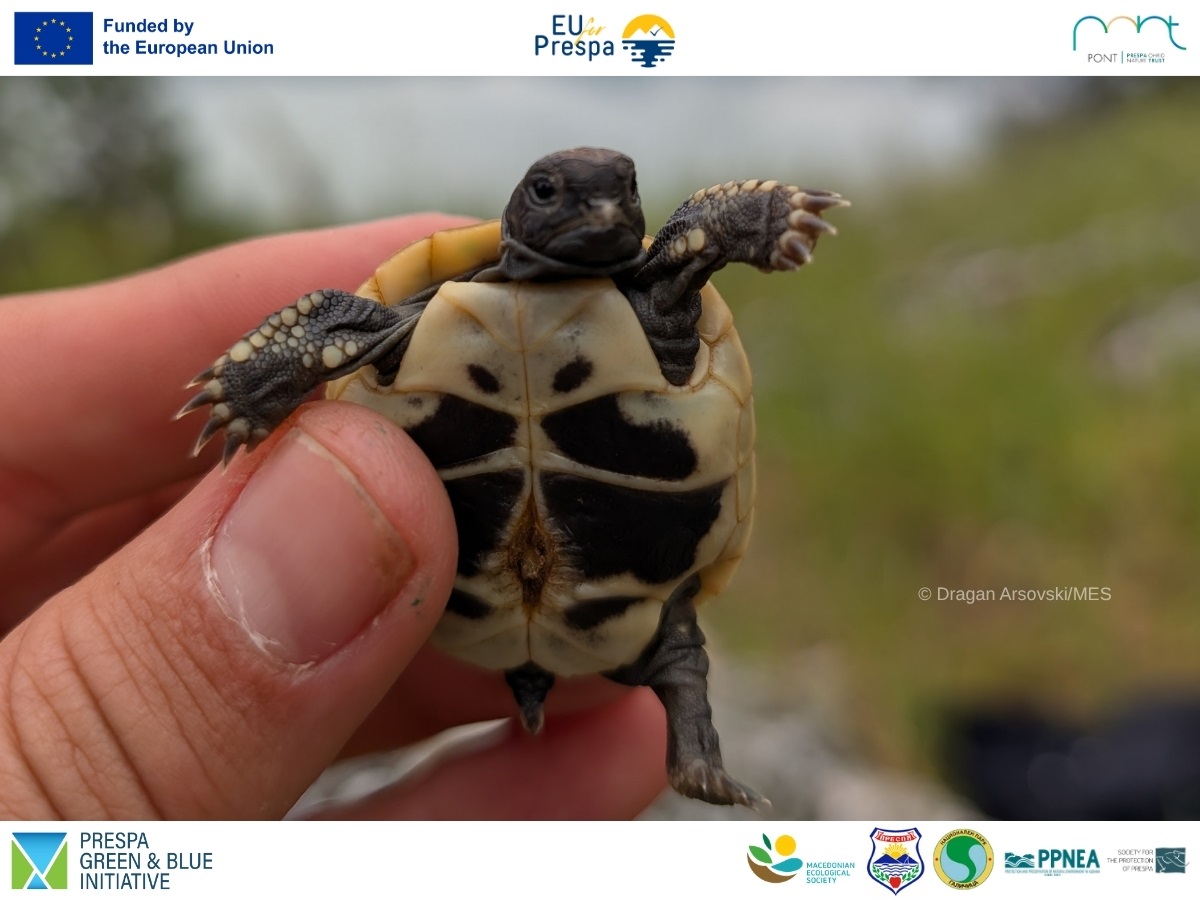
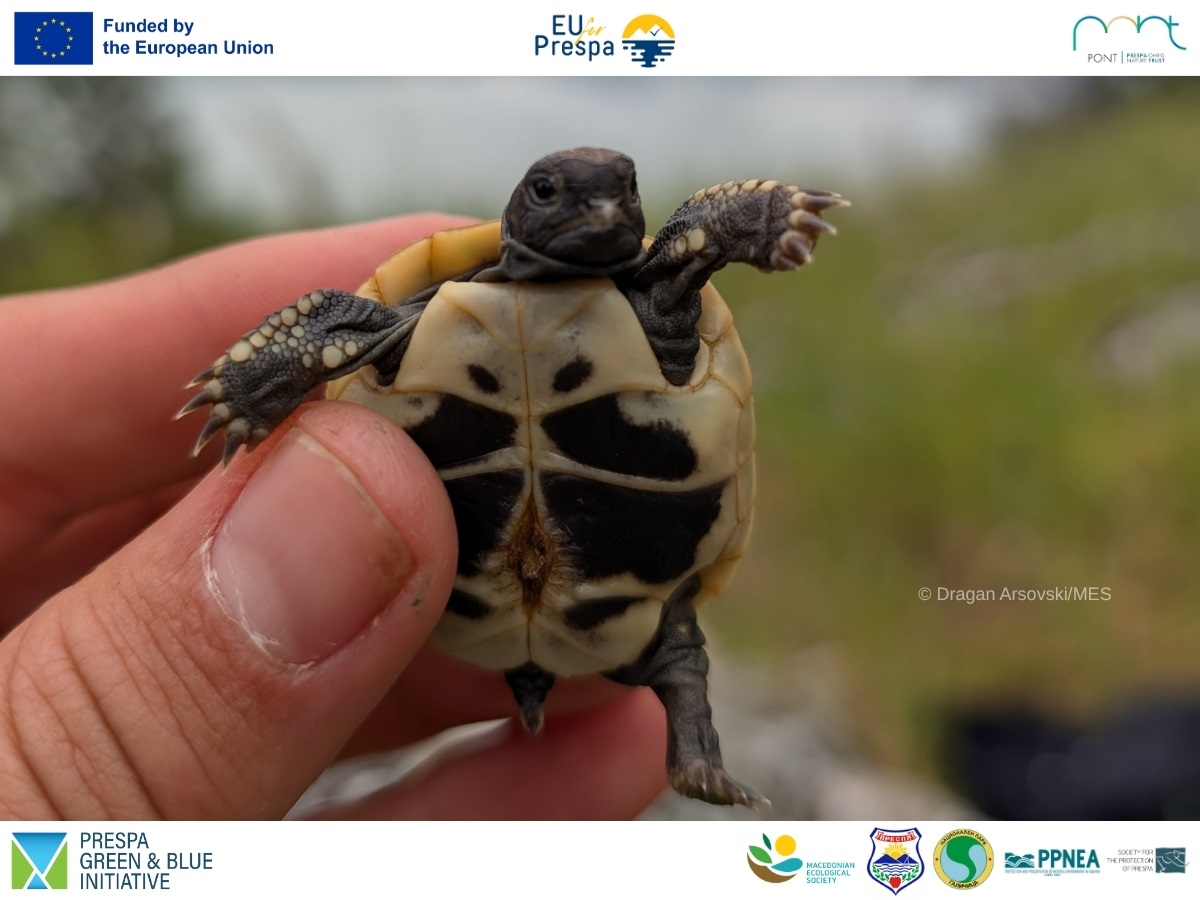
The island of Golem Grad continues to attract the attention of the international scientific community. A joint team of researchers from the Republic of North Macedonia, Serbia, Greece, and France participated in the annual studies of several reptile species, including dice snakes, the nose-horned viper, and Hermann’s tortoise. “This year’s research indicates the positive effects of the unusually wet spring, visible not only in the lake’s water level and the snow cover on the higher slopes of Galichica and Pelister, but also in the large number of captured and marked animals on Golem Grad (>500). Among other findings, for the first time in many years we managed to mark a large number of hatchling and juvenile Hermann’s tortoises. They are more active than usual due to the abundance of food provided by the island’s lush spring vegetation. This seemingly offers hope for a population approaching extinction; however, it is most likely only a consequence of the wet spring. At the same time, the small number of eggs observed in island females, compared to those from mainland populations, reminds us of the tragic fate facing this population. Perhaps next year we will witness an improved situation supported by the reserves accumulated this year, but overall climate projections suggest that this year is merely an exception in an increasingly dry future” - explains Dragan Arsovski, PhD, of the Macedonian Ecological Society.
The data collected through all of these studies, together with research conducted by the ranger services of the Ezerani Nature Park under the Municipality of Resen and the Galichica and Pelister National Parks, will be integrated into a single digital platform. This platform will provide various stakeholders with a comprehensive overview of the status and trends of biodiversity in the region.
“Conducting continuous and systematic research is essential for obtaining reliable data on the state of wild flora and fauna in Prespa, serving as a prerequisite for the effective planning of protection, conservation, and sustainable management measures for the natural heritage of one of Europe’s most beautiful and unique transboundary regions” - points out MSc Daniela Zaec, Head of the Macedonian Ecological Society’s office in Resen.
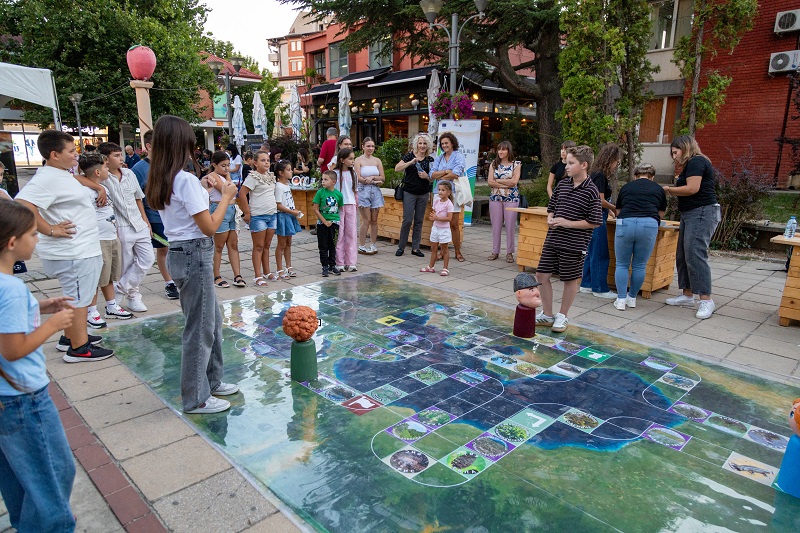
The biodiversity monitoring activities in Prespa are being implemented within the project “Prespa Green & Blue Initiative: Empowering Conservation through Research, Education and Communication” funded by the European Union under the programme “EU for Prespa” and co-funded by the Prespa-Ohrid Nature Trust (PONT). Project implementation partners are the Macedonian Ecological Society, the Municipality of Resen, Galichica National Park, the Society for the Protection of Prespa (SPP) from the Republic of Greece, and the Protection and Preservation of Natural Environment in Albania (PPNEA) from the Republic of Albania. The implementation of project activities is supported by the Ministry of Environment and Spatial Planning of the Republic of North Macedonia and Pelister National Park.